Redis

Redis is an in-memory data store that I use for application caching and background processing. In my Laravel stack, it supports the work that should happen outside a visitor's HTTP request.
Examples from my projects
NetPostPanel uses Laravel Horizon for queued content generation workflows. DigiPulse uses Redis in its event-driven monitoring architecture. These jobs have different durability requirements from an ordinary page cache: losing pending work can affect the product, even if cached data can be rebuilt.
Caching and coordination
Redis can hold computed values, request counters and short-lived locks. Cache keys and expiration rules need to match the data they represent. Locks can coordinate workers, but retries and failure handling must still prevent duplicate side effects.
Persistence matters for queues
Redis offers RDB snapshots and AOF persistence, with different recovery trade-offs. Restarting a node does not necessarily erase its data, and treating every Redis key as disposable is unsafe for queues. Persistence, eviction settings and job retry behavior need to be chosen together. Redis Pub/Sub, in contrast, does not retain messages for disconnected subscribers.
Projects using Redis
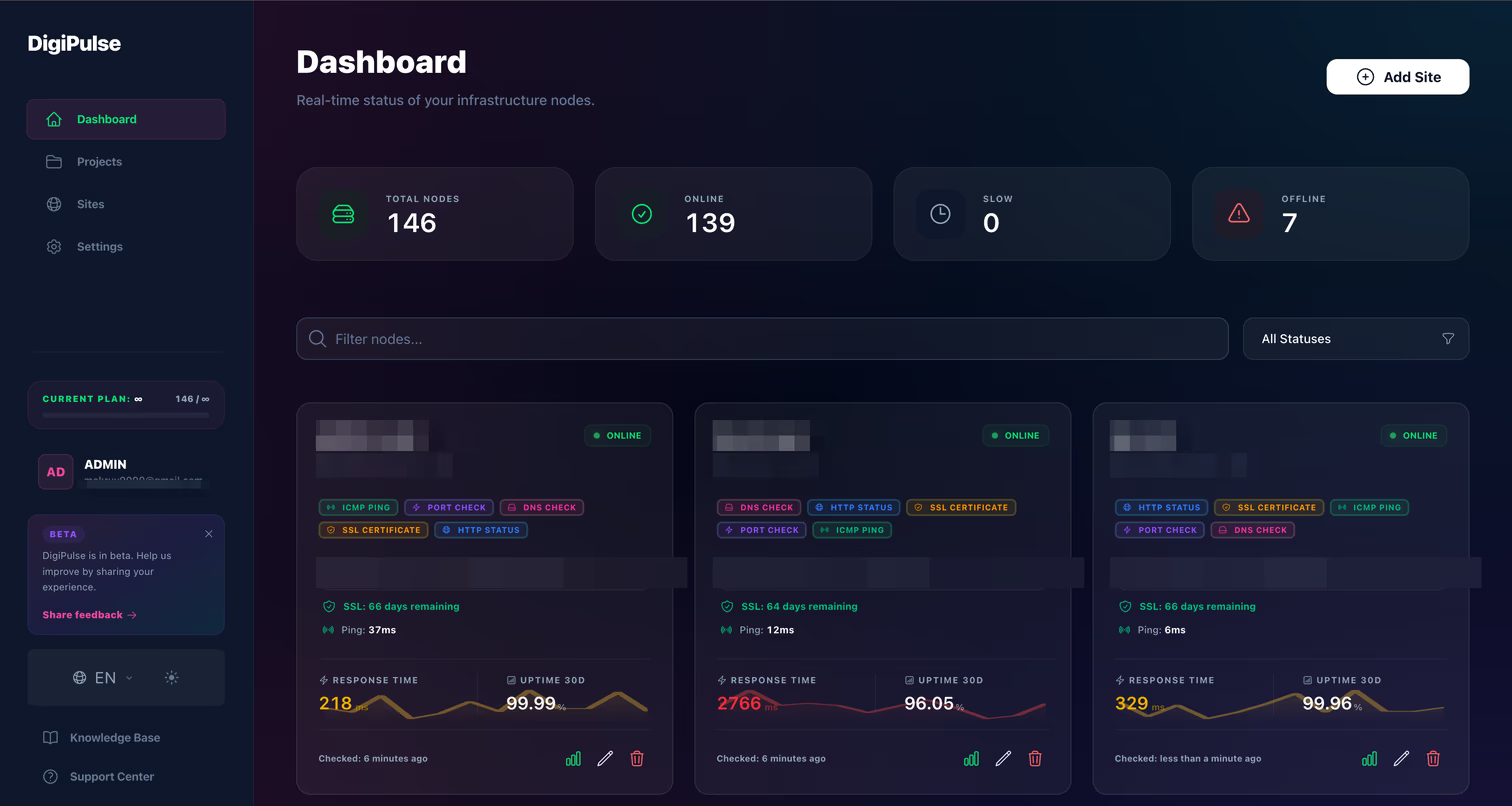
DigiPulse
Uptime monitoring SaaS: event-driven architecture — Laravel (Octane, Reverb) + Filament dispatch checks through Redis to a lightweight Go worker; an MCP server exposes monitoring data to AI assistants; Telegram/email alerts
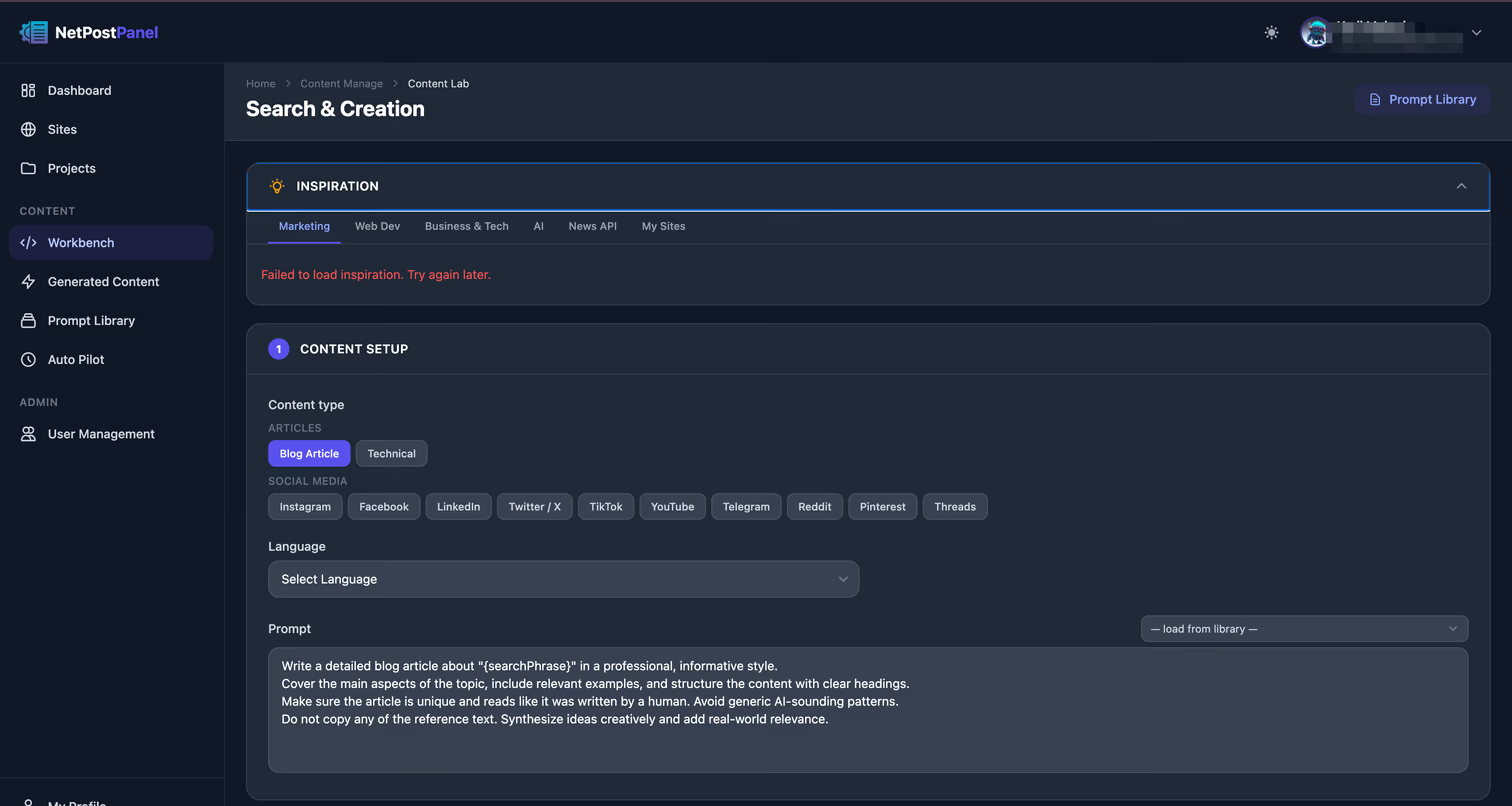
NetPostPanel
AI content-operations platform — a RAG pipeline (research → scrape → generate → vectorize), an external API other apps call, and Auto Pilot for unattended scheduled generation