Tailwind CSS

Tailwind CSS is a CSS framework built around utility classes. I use it for application interfaces and public websites, including VetCard, VetSpace, DigiSpace and this portfolio.
Styling in practice
In VetCard, shared components provide the page structure while clinic-specific colors give each page its identity. In this portfolio, Tailwind CSS v4 works with Nuxt UI, and theme values are defined in CSS. DigiSpace also uses Tailwind in its administration interface.
Keeping the interface consistent
- Responsive layouts — adapt navigation, forms and cards to different screen widths.
- Design tokens — share colors and spacing across components.
- Reusable components — extract repeated patterns when they have a clear common purpose.
What utility classes do not guarantee
Keeping classes near the markup makes styling easier to follow, but shared components and global theme changes can still affect many pages. Generated CSS size depends on detected classes and custom styles. I review mobile layouts, keyboard focus and color contrast alongside the visual design rather than assuming the framework handles them automatically.
Projects built on Tailwind CSS
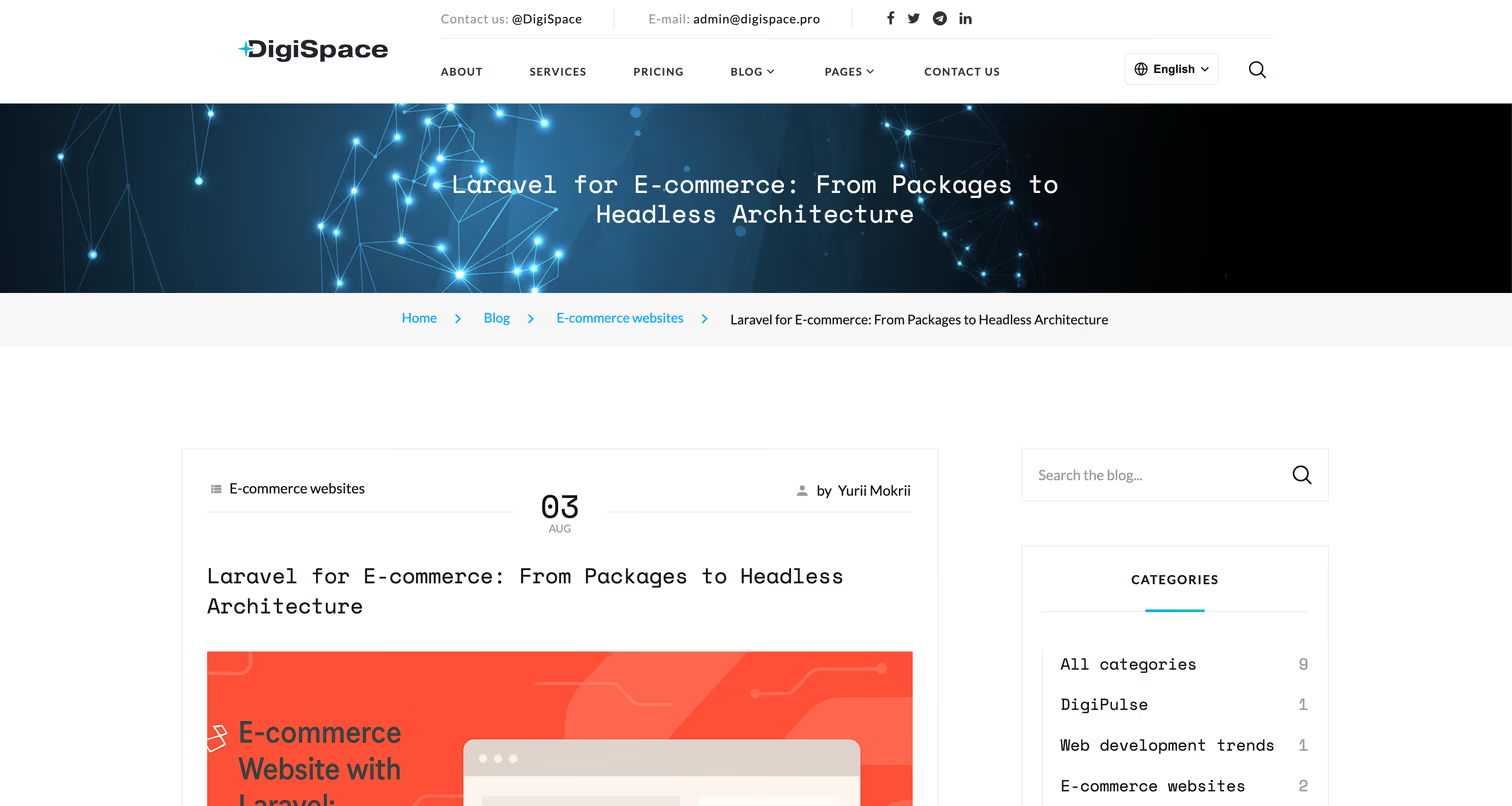
DigiSpace
The agency's multilingual (EN/UK/PL) production site with a custom CMS — a Filament admin panel with a rich content editor, content translations, JSON-LD and localized sitemaps built in, alongside the legacy Inertia + Vue admin
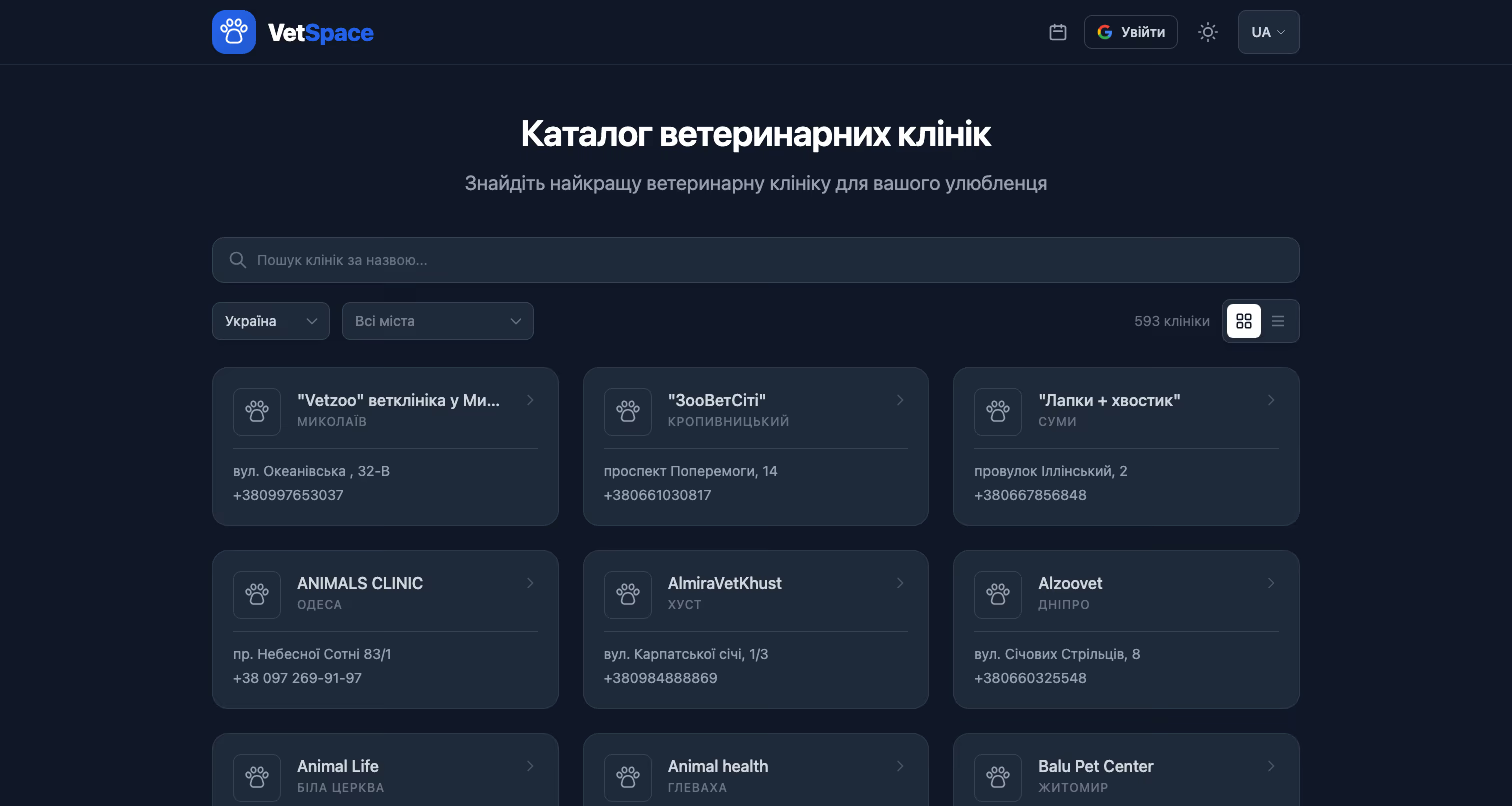
VetCard
Multi-tenant catalog of veterinary clinics: SEO clinic pages, online appointment booking, per-clinic branding — one Nuxt app serves every clinic
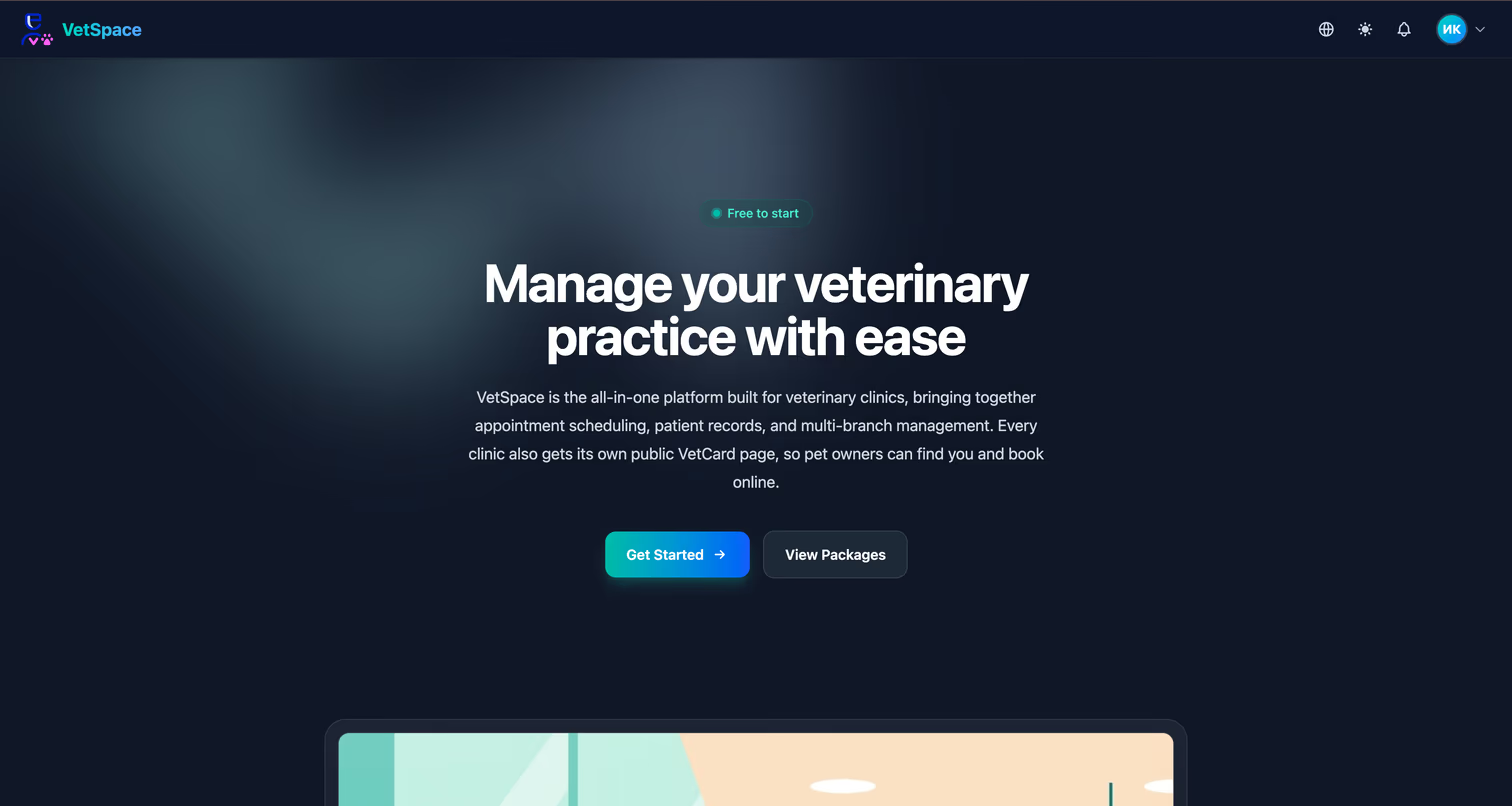
VetSpace
A two-sided veterinary platform — an SEO clinic catalog and a subscription-based CRM with appointments and patient records