Vue.js

Vue.js is a JavaScript framework for building user interfaces. I use it for the VetSpace clinic panel, VetCard's public website and the administration interfaces in projects such as DigiSpace.
Different interfaces, shared tools
- Application panels — forms, lists and interactive workflows for signed-in users.
- Public websites — Vue components within Nuxt pages rendered on the server.
- Laravel integration — Inertia connects server-side routes with Vue pages without requiring a separate public API for those screens.
A clinic page as an example
VetCard needs both readable clinic information and an interactive booking interface. Nuxt handles the page's server rendering, while Vue manages user interactions. This lets the same site serve visitors reading about a clinic and those choosing an appointment.
Keeping components maintainable
The Composition API helps group related behavior, and TypeScript makes component contracts explicit. I separate data loading, reusable logic and presentation where that improves readability. Framework choice still depends on the existing codebase and team: Vue is my main tool, not a guarantee that every frontend problem needs the same architecture.
Projects built on Vue.js
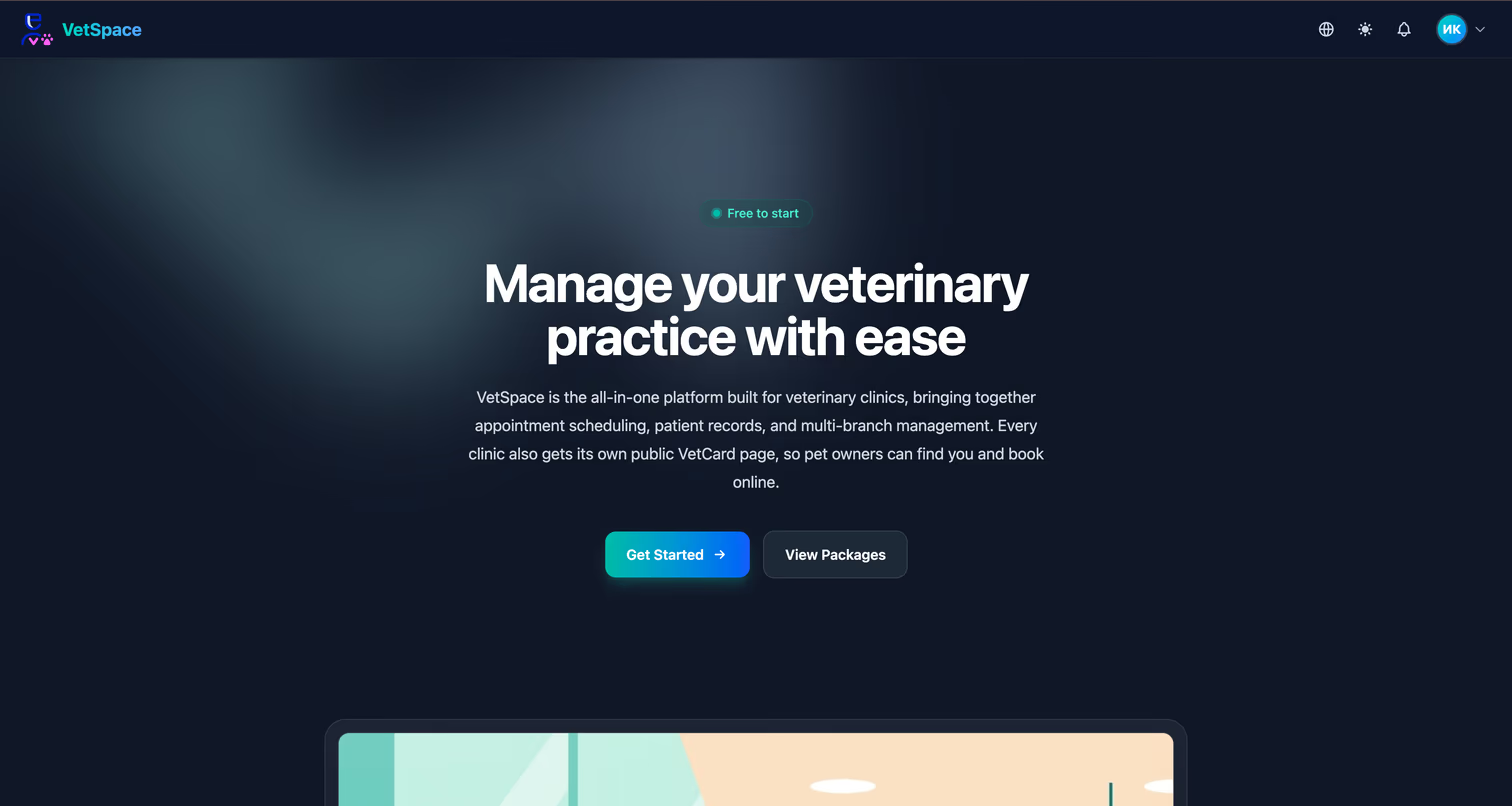
VetSpace
A two-sided veterinary platform — an SEO clinic catalog and a subscription-based CRM with appointments and patient records
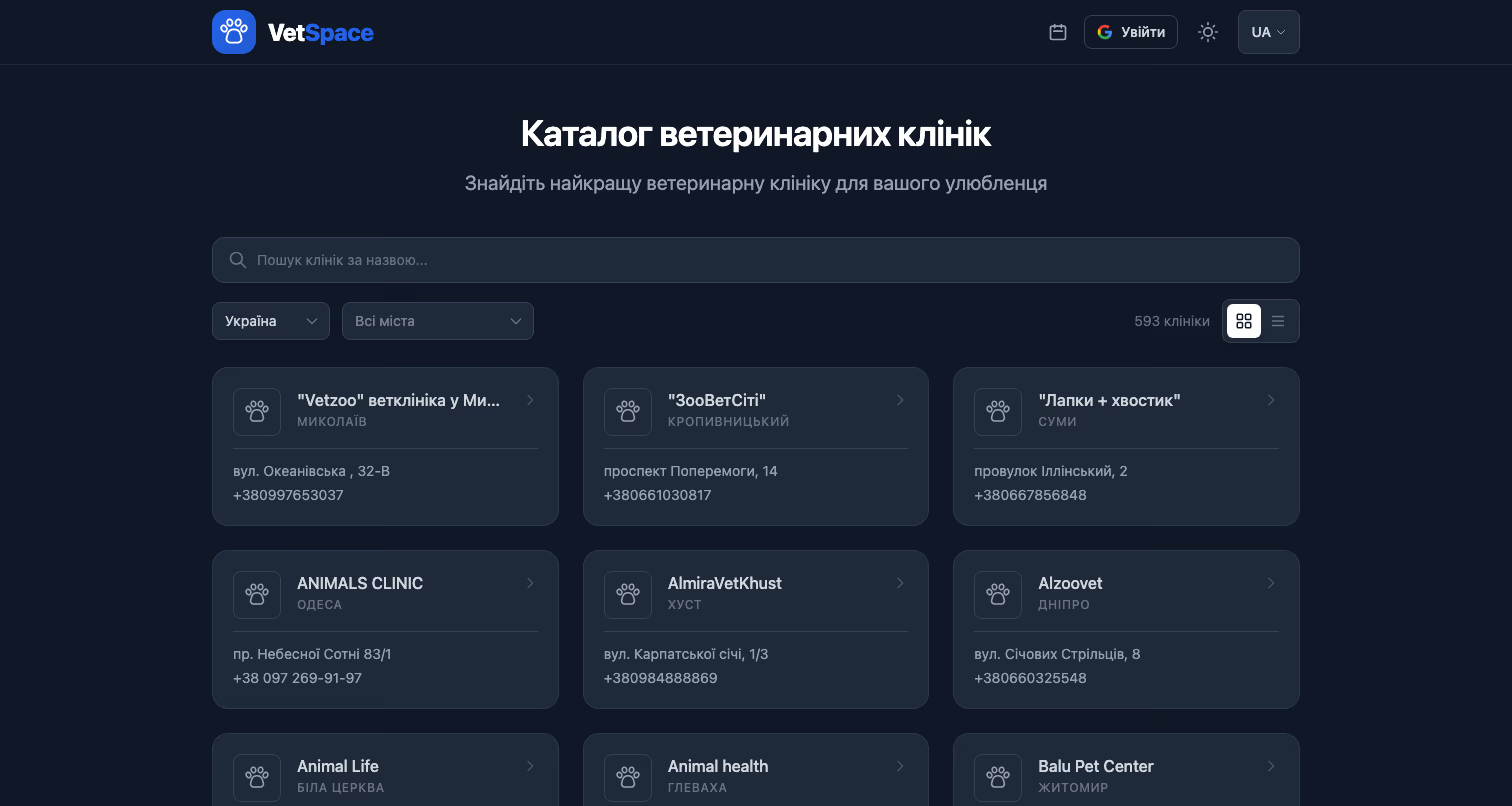
VetCard
Multi-tenant catalog of veterinary clinics: SEO clinic pages, online appointment booking, per-clinic branding — one Nuxt app serves every clinic
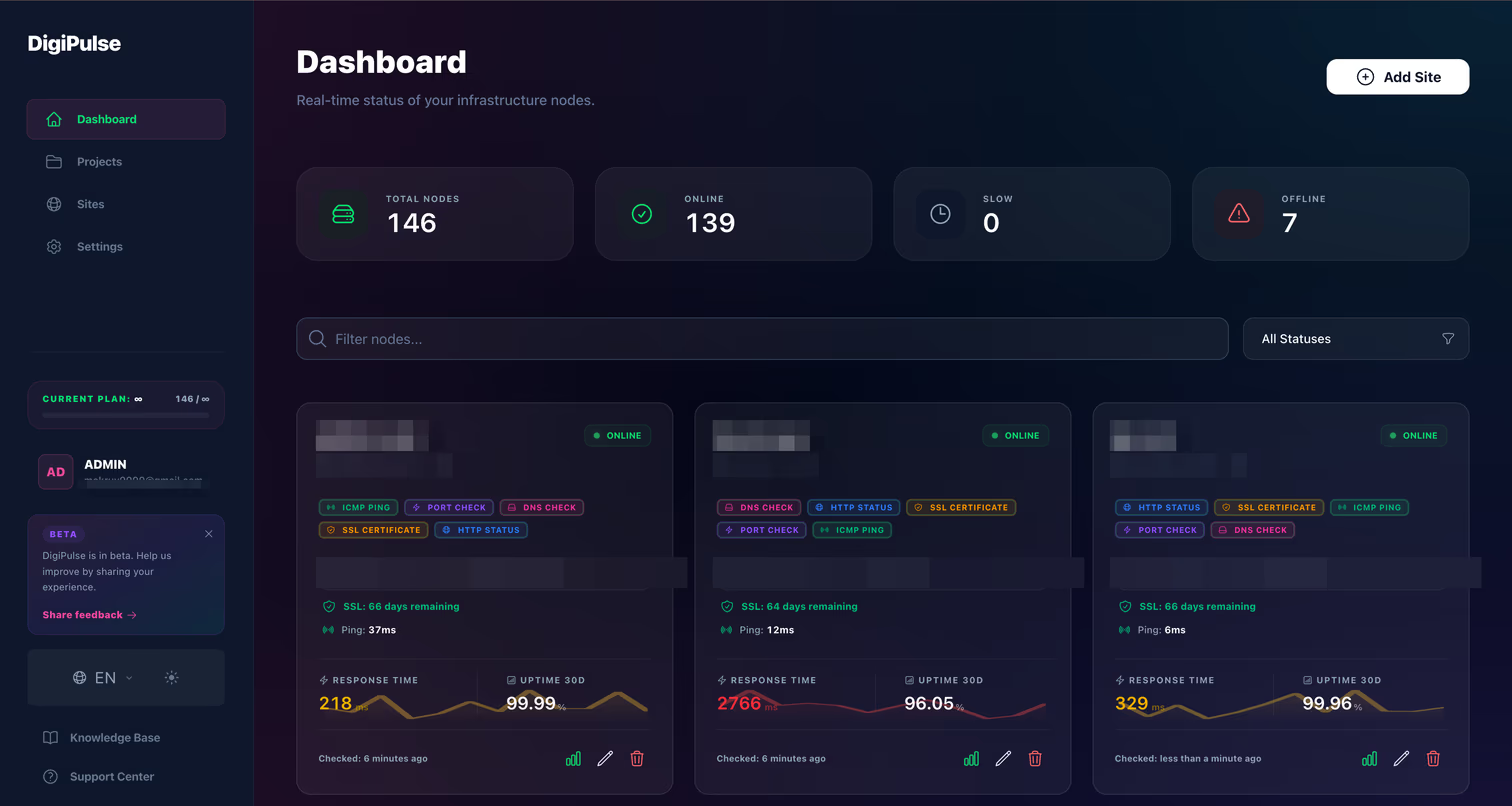
DigiPulse
Uptime monitoring SaaS: event-driven architecture — Laravel (Octane, Reverb) + Filament dispatch checks through Redis to a lightweight Go worker; an MCP server exposes monitoring data to AI assistants; Telegram/email alerts
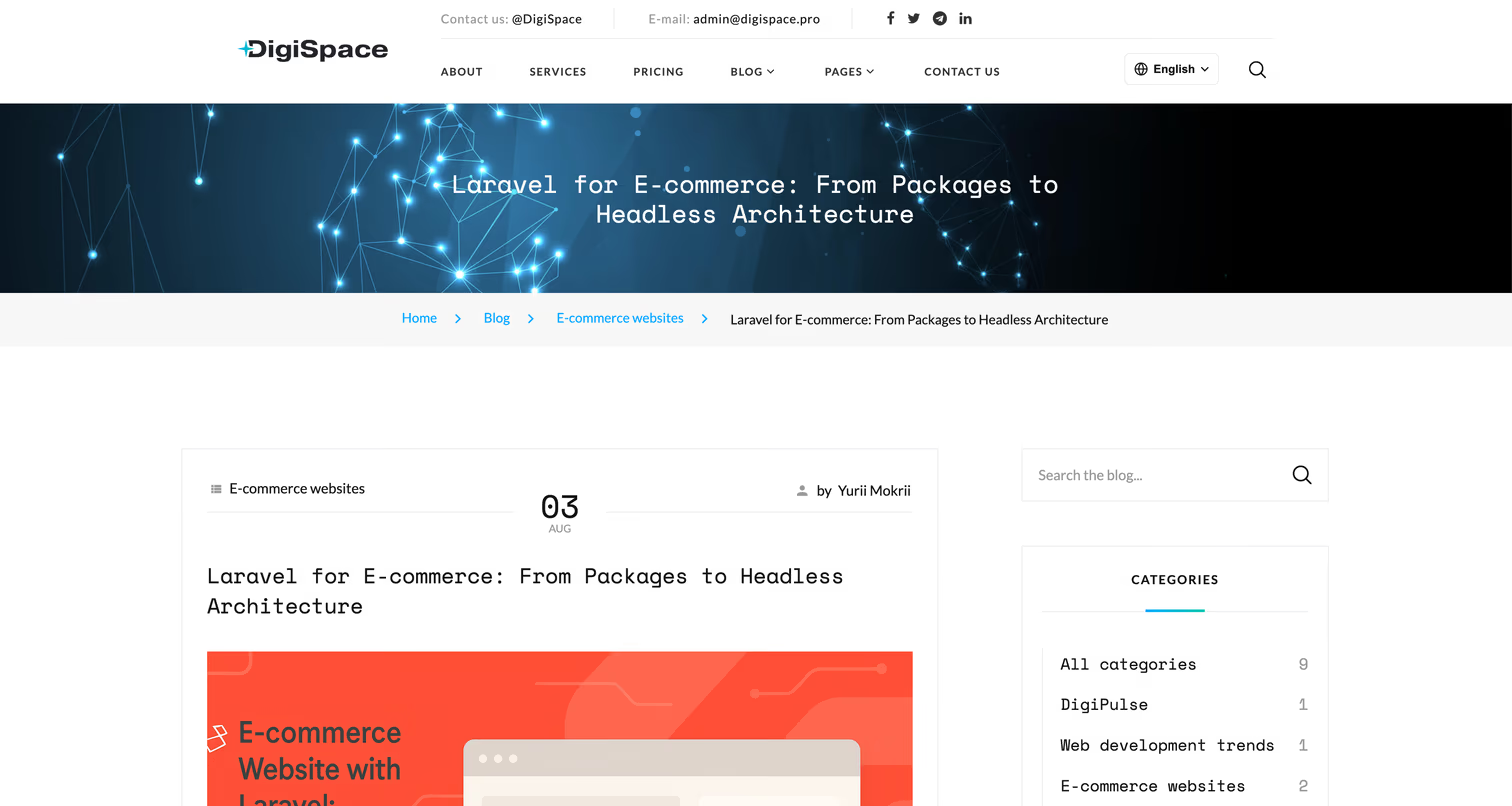
DigiSpace
The agency's multilingual (EN/UK/PL) production site with a custom CMS — a Filament admin panel with a rich content editor, content translations, JSON-LD and localized sitemaps built in, alongside the legacy Inertia + Vue admin